
Nutritionist-Backed Vision Wellness
Discover how strategic nutrition supports healthy eyesight. Our editorial team has compiled evidence-based insights into the nutrients, foods, and lifestyle habits that nutritionists recommend for maintaining and strengthening your vision naturally.
The information on this site is for educational purposes only and does not constitute medical advice. Always consult a qualified healthcare professional before making health decisions.
Key Nutrients for Eye Health
Lutein & Zeaxanthin
Carotenoid antioxidants that filter blue light and protect the macula. Found abundantly in dark leafy greens like spinach and kale.
Vitamin A
Essential for rhodopsin production, supporting retinal function and night vision. Nutritionists emphasize orange and red vegetables as primary sources.
Vitamin C & E
Powerful antioxidants that combat free radical damage. These vitamins work synergistically to support long-term eye health and clarity.
Omega-3 Fatty Acids
Support retinal membrane health and reduce inflammation. Cold-water fish and flaxseeds are excellent dietary sources recommended by nutrition experts.
How Nutrients Strengthen Your Vision
Nutritionists across Indonesia and globally agree that dietary choices directly influence eye health. When you consume foods rich in specific nutrients, you're providing your eyes with the building blocks needed to function optimally and resist oxidative stress.
The retina and lens are metabolically active tissues that benefit significantly from antioxidant support. Lutein, zeaxanthin, and vitamin C help neutralize harmful free radicals that accumulate from daily light exposure and environmental factors. Meanwhile, omega-3 fatty acids maintain the structural integrity of cell membranes throughout the visual system.
Over weeks and months of consistent nutritious eating, many people report improved focus, reduced eye strain during screen time, and sharper visual clarity. This aligns with nutritionist recommendations that emphasize prevention and long-term wellness rather than quick fixes.
Explore Nutrient Details
Top Superfoods for Vision Support

Spinach & Kale
Dark leafy greens are among the richest sources of lutein and zeaxanthin. Nutritionists recommend eating these raw or lightly cooked to preserve heat-sensitive compounds.
- High lutein content
- Bioavailable antioxidants
- Low calorie density
Salmon & Fatty Fish
Cold-water fish deliver substantial amounts of EPA and DHA omega-3s, which support retinal health and reduce ocular inflammation according to nutritionist research.
- Omega-3 rich
- Anti-inflammatory
- High protein
Carrots & Sweet Potatoes
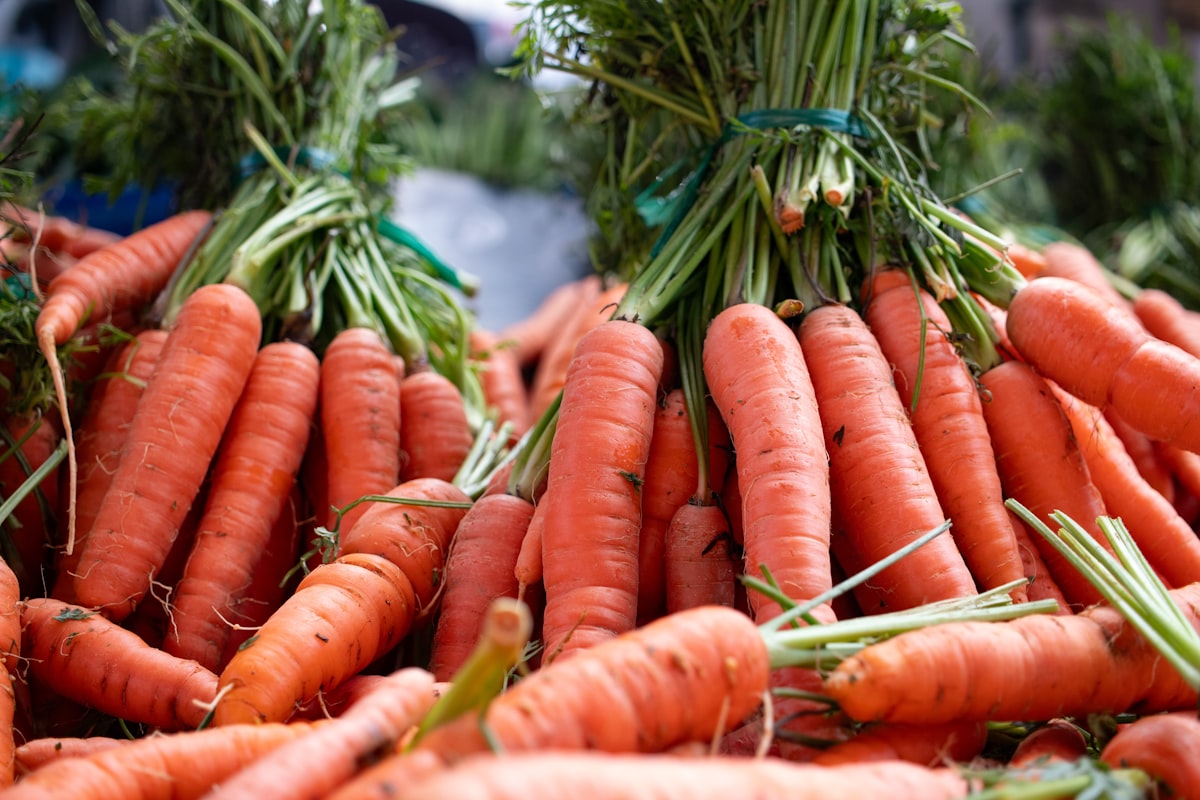
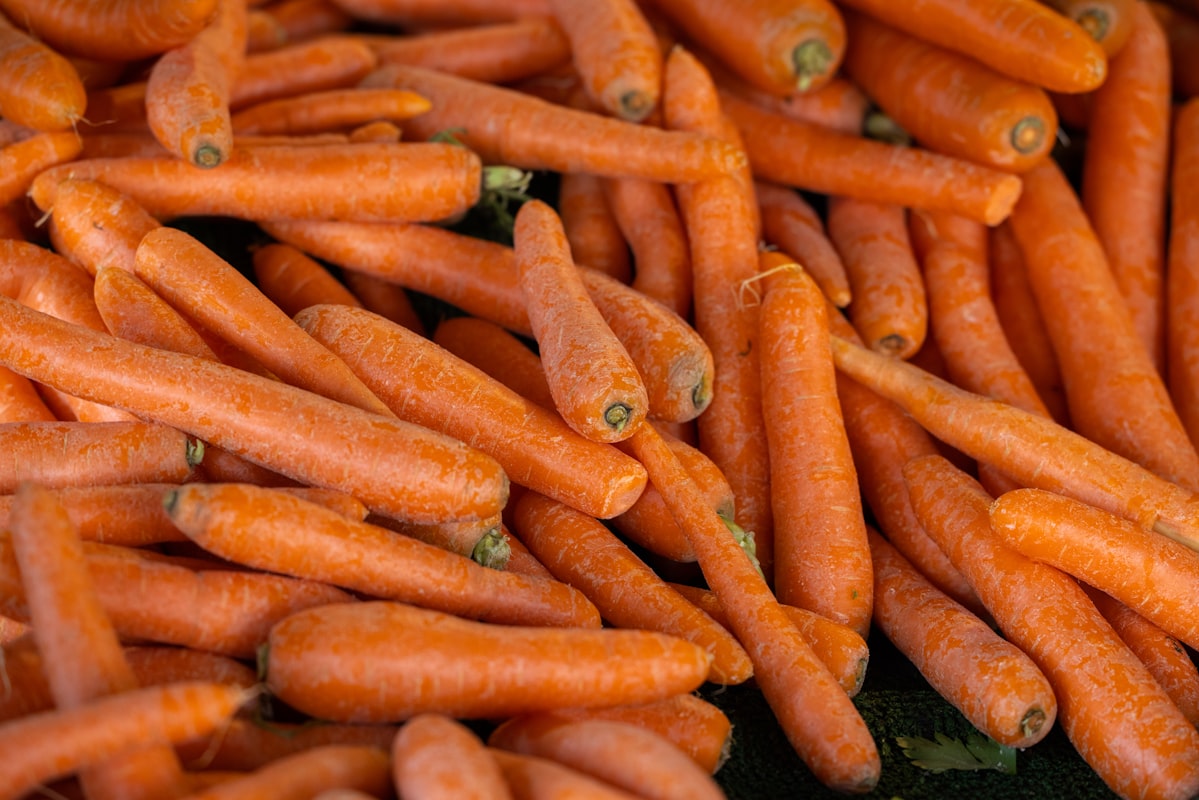
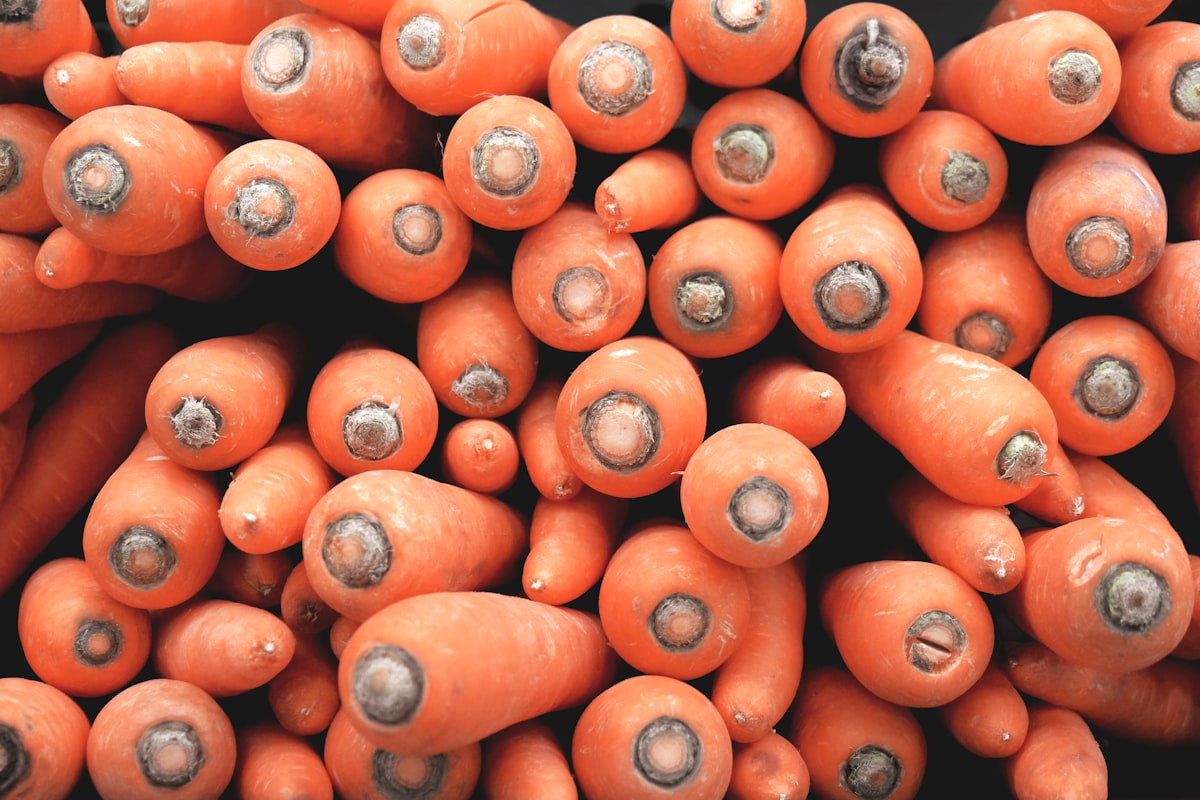
Orange vegetables are loaded with beta-carotene, a precursor to vitamin A. Nutritionists highlight these as affordable, accessible options for vision support.
- Vitamin A precursor
- Widely available
- Fiber-rich
Blueberries
Berries contain anthocyanins, flavonoid compounds with potent antioxidant properties. Nutritionists recommend fresh or frozen blueberries as a convenient daily addition.
- Anthocyanins
- Easy to consume
- Low glycemic index
Eggs
Egg yolks are a bioavailable source of lutein, zeaxanthin, and choline. Nutritionists favor eggs for their complete protein profile and eye-supporting nutrients.
- Lutein & zeaxanthin
- Complete protein
- Choline for brain health
Nuts & Seeds
Almonds, sunflower seeds, and other nuts deliver vitamin E and minerals. Nutritionists recommend a small handful daily as a convenient, portable vision-supporting snack.
- Vitamin E
- Portable snack
- Healthy fats

Practical Nutrition Tips from Experts
Nutritionists emphasize that consistent dietary choices matter more than occasional supplementation. Building a daily eating pattern rich in colorful vegetables, quality proteins, and healthy fats creates a foundation for sustained vision support.
Eat the Rainbow
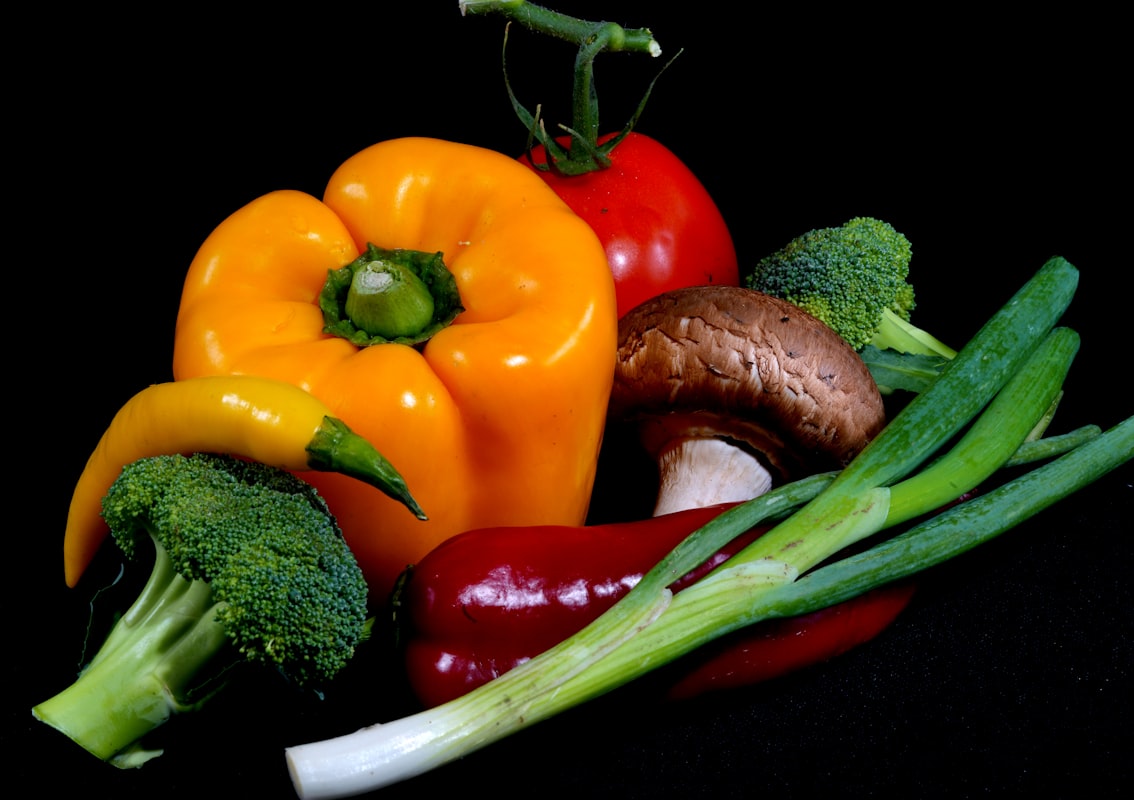
Different colored foods provide different beneficial compounds. Red tomatoes, orange carrots, green spinach, and purple eggplant together offer comprehensive antioxidant coverage.
Pair Nutrients Strategically
Fat-soluble vitamins like A, E, and lutein absorb better when consumed with dietary fats. Enjoy leafy greens with olive oil, nuts, or fish to maximize nutrient absorption.
Minimize Oxidative Stress
Reduce processed foods, excessive sugar, and refined carbohydrates that promote inflammation. Nutritionists recommend focusing on whole foods as the primary dietary approach.
Stay Hydrated
Adequate water intake supports overall eye lubrication and nutrient delivery. Aim for consistent hydration throughout the day, especially during screen-intensive periods.
Your Vision Nutrition Journey
Assess Your Current Diet
Review what you eat daily. Identify gaps in vision-supporting nutrients. Nutritionists suggest tracking your intake for one week to establish a baseline and understand your patterns.
Introduce Key Foods Gradually
Start adding one or two vision-supporting foods per week. Add spinach to your smoothie, include salmon twice weekly, snack on blueberries. Gradual changes build sustainable habits.
Monitor Your Experience
After 4-6 weeks of consistent nutrition changes, pay attention to any shifts in visual clarity, eye strain reduction, or focus. Keep informal notes of what you observe.
Refine and Maintain
Adjust your approach based on preferences and results. Build a personalized, sustainable eating pattern that supports your vision and overall wellness long term.
Nutritionist Q&A: Common Questions About Eye Health
Most people require 4-12 weeks of consistent nutritious eating before perceiving noticeable shifts in visual clarity or eye strain reduction. The retina and lens respond gradually to improved nutrient delivery. Nutritionists emphasize patience and consistency rather than expecting immediate results. Individual factors like baseline nutrient status, age, and existing dietary habits influence the timeline.
Whole foods contain nutrient combinations, fiber, and phytonutrients that isolated supplements cannot fully replicate. Nutritionists generally recommend prioritizing food sources first, with supplements as a secondary support only when dietary intake is genuinely insufficient. The synergistic effects of whole foods provide superior benefits compared to individual nutrients in capsule form.
Two servings of fatty fish per week is a common nutritionist recommendation for omega-3 intake. However, vegetarians and vegans can obtain beneficial omega-3s from flaxseeds, chia seeds, walnuts, and algae supplements. The key is consistent intake of these sources rather than a specific quantity. Individual needs vary based on genetics, activity level, and overall health status.
Research suggests that 10 mg of lutein and 2 mg of zeaxanthin daily supports eye wellness. One cup of raw spinach or ½ cup of cooked kale easily exceeds these amounts. Nutritionists note that most people can meet these targets through regular consumption of dark leafy greens without complex calculations. Consistency and variety matter more than hitting precise daily targets.
Diets high in refined carbohydrates, trans fats, and processed foods promote systemic inflammation, which negatively impacts ocular tissues. Excessive sugar consumption may accelerate age-related changes. Nutritionists recommend minimizing ultra-processed items and instead emphasizing whole, nutrient-dense foods. Chronic dehydration also compromises eye lubrication and nutrient delivery.
Absolutely. Visual development continues into early adulthood, making nutrient-rich eating during childhood especially important. Nutritionists emphasize introducing colorful vegetables, fruits, fish, eggs, and nuts early to establish lifelong healthy patterns. These nutrients support not only eye development but also cognitive function and overall growth.
Expert Insights: Nutritionist Perspectives on Vision Wellness
"The evidence is clear: consistent dietary patterns rich in antioxidants and omega-3s support eye function at every life stage. As nutritionists, we focus on food first because that's where real, sustainable change begins."
Sita Kumar
Clinical Nutritionist, Bandung
"Prevention through nutrition is vastly more effective than trying to address vision problems after they develop. Simple changes—more spinach, less processed sugar—yield remarkable results over months."
Rahendra Wijaya
Nutritionist, Jakarta